
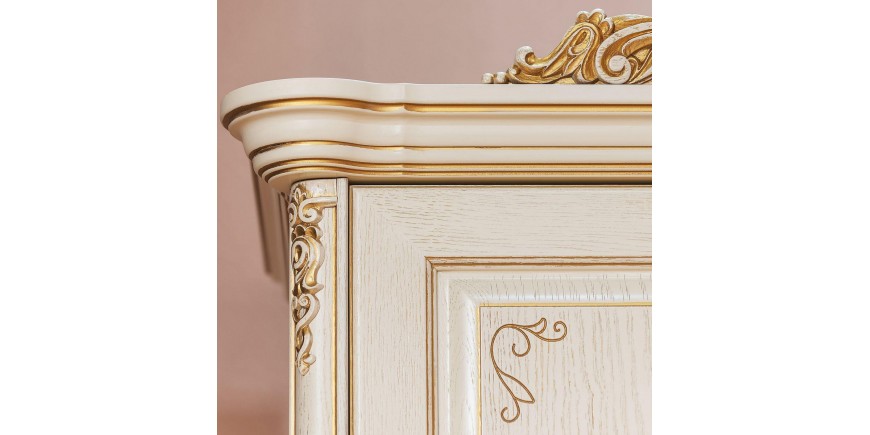
Art and applied craftsmanship are rich in terminology, among which the words "gilding" and "patina" hold a special place. These terms are often used when describing both antique and modern objects, but what do they mean and what is their main difference? Let's take a closer look.
Gilding and patina are terms important in art and restoration, related to surface treatment.
Patina, patination, or aging
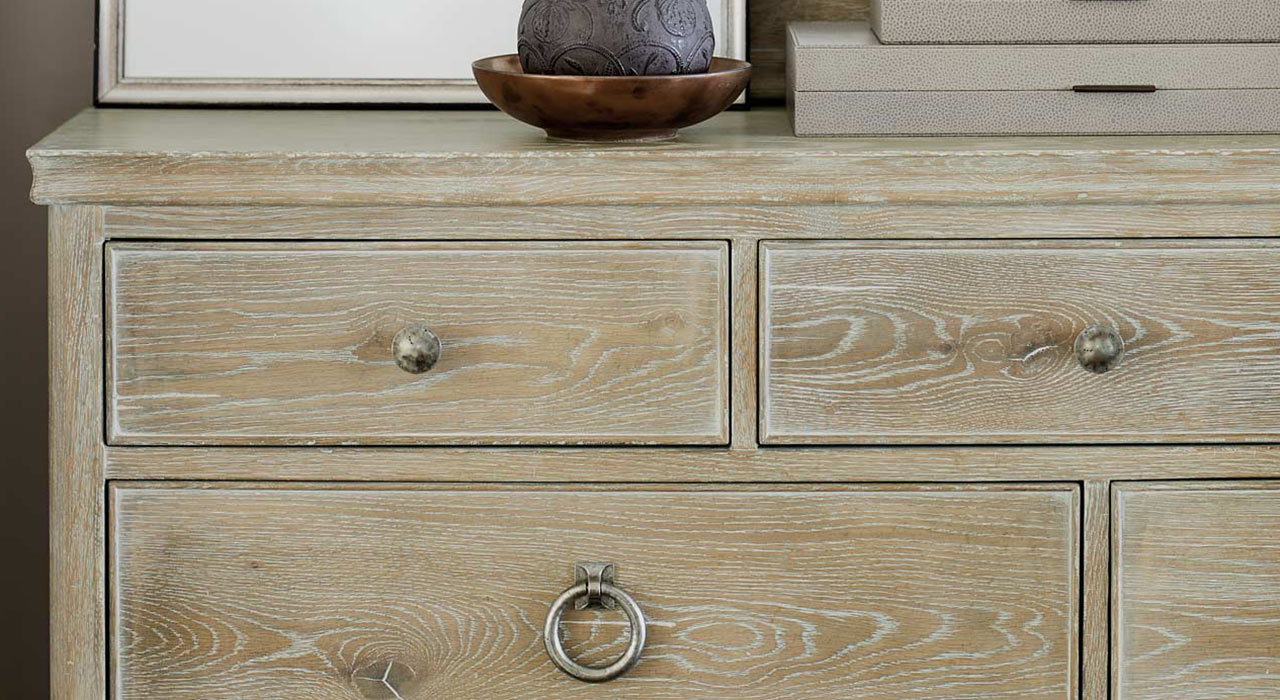
Patina is a thin layer that forms on the surface of metals (most commonly copper and bronze) over time. It can develop naturally or be artificially created.
Patination is the process of applying patina to give an object an antique, aged appearance. For example, in Europe, many historical buildings and sculptures are covered with patina, which gives them a special, rich color and distinctive appearance.
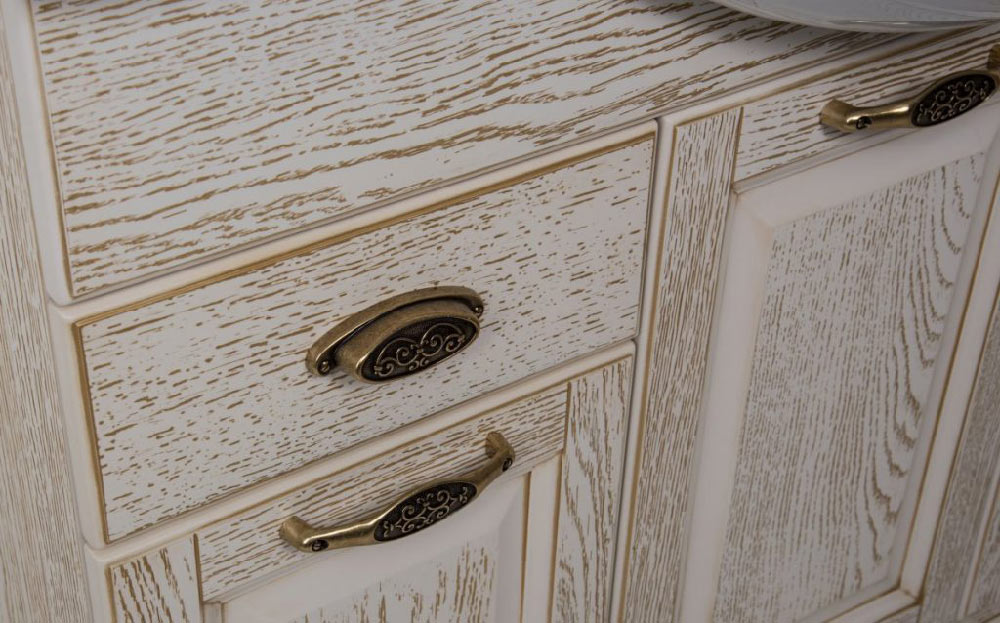
Patina is most often associated with a greenish or bluish tint that appears on copper and bronze due to environmental exposure. However, depending on the treatment method and materials used, patina can have various shades, from black to red.
What is gilding, how does it look, and where is it used? How is gilding applied?
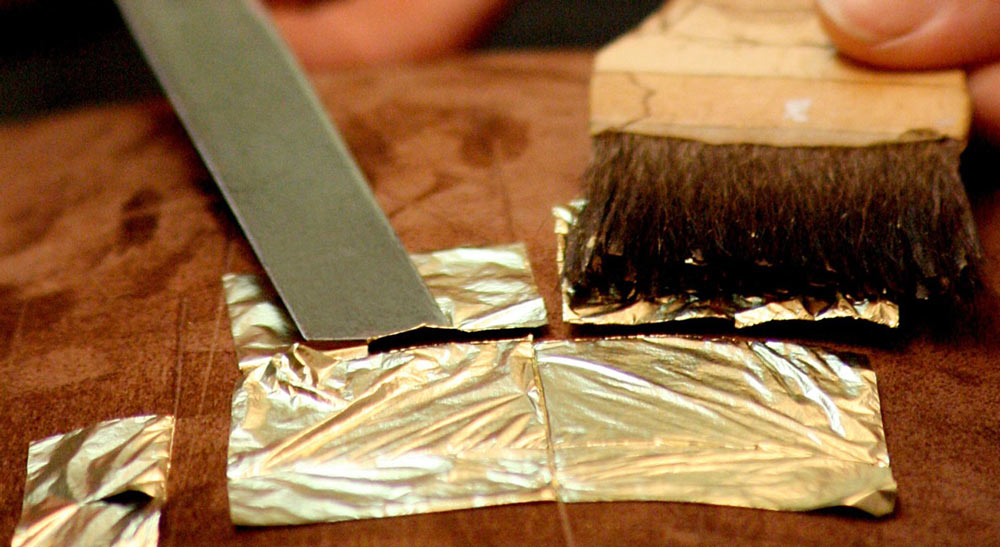
Gilding refers to thin sheets of metal or metalized paper or films used to imitate a gold coating. Unlike patina, gilding is applied to create the effect of gold plating on various surfaces, including wood, metal, glass, and even fabric.
Gold leaf gilding involves applying these sheets to a surface, followed by varnishing to protect and add shine after the gilding has dried. This method is widely used in art and decorative design, especially for making picture frames, furniture, icons, and other interior items. Gilding is used in decor, restoration work, art, and to create an aged effect on furniture and other objects.
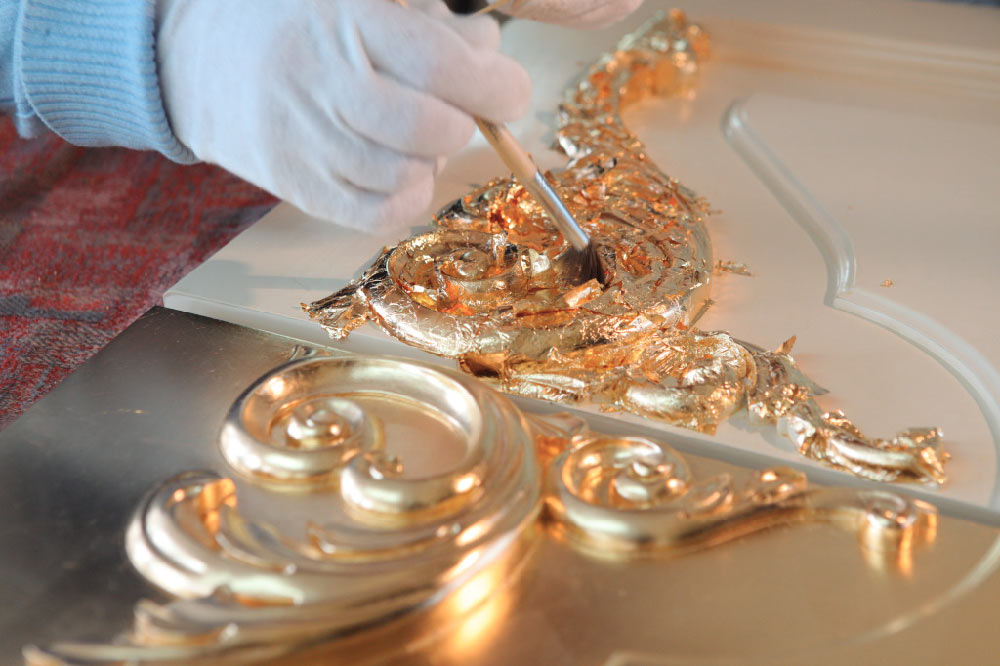
Gilding can be gold, silver, copper, or even colored, allowing for the creation of unique decorative effects. It gives an object a shiny, elegant appearance and is often used to give items a luxurious look.
Gilding and patina: the difference
The main difference between gilding and patina lies in their purpose and method of application. Gilding is used to imitate a gold or other metallic coating and has a shiny, decorative appearance. Patina, on the other hand, creates an aging effect, giving objects a look of time and history.
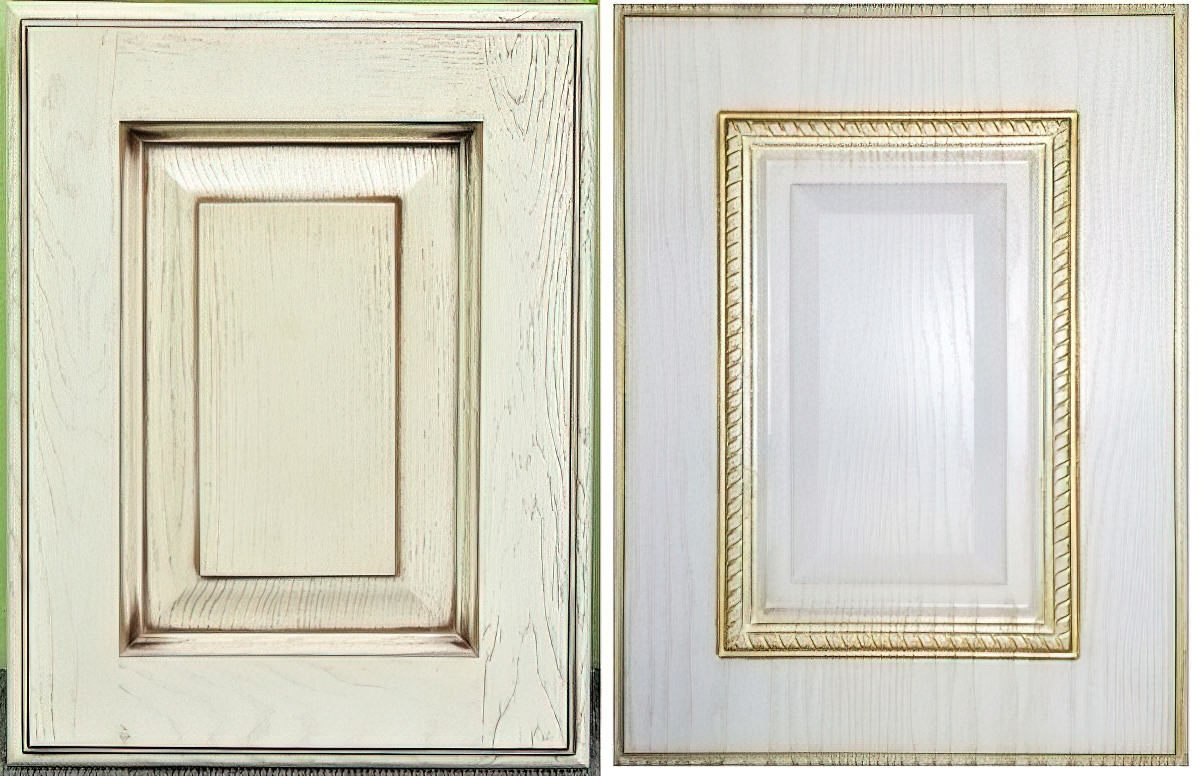
While gilding adds shine and luxury, patina adds depth and character, highlighting the age and historical value of the object. Both materials play an important role in art and design, allowing craftsmen to create unique and expressive works. However, one does not exclude the other: there are special techniques for aging gilding that are used for decorative purposes.


